
Understanding Linkrify: What It Is and Why It Matters

When you stumble upon the term linkrify, you’re probably digging into some fresh digital tool or service that’s all about handling links, making money from your content, or setting up clever link pathways. If you’re a blogger, someone doing affiliate marketing, a business owner, or even a coder, getting a grip on linkrify could mean dealing with your links in a smarter, more effective way and tapping into new ways to earn from what you create. In this write-up, we’ll break down what linkrify really stands for, how it operates, how it stacks up against other options, the pros and cons, and some down-to-earth steps to make the most of linkrify.
Explore Our Free Tools
The Concept of “linkrify” in the digital ecosystem
Basically, linkrify is about the method or system that turns regular web links into something more valuable and strategic. Rather than just dropping a plain link, linkrify setups often layer on things like monitoring, data insights, personalization, or ways to earn from affiliates. When you decide to linkrify your stuff, you’re essentially upgrading your links to be active players instead of just sitting there. The main point is to boost what each click is worth, learn about how people interact, add your own branding to links, and turn traffic from links into real results you can measure.
Why linkrify is gaining traction
As online stuff like content, social platforms, blogs, and marketing keeps growing, the sheer volume of links that creators and companies throw out there has gone through the roof. But plain links don’t tell you much on their own. That’s where linkrify steps in. It lets you pull together, tweak, and make money from links across different spots. By bringing linkrify methods into your routine, you can cut down on messy links, get better at following click patterns, keep short links that match your brand, and hook them up to other tools. Essentially, linkrify puts you in charge of your links and helps you squeeze more out of every one.
Linkrify vs. traditional link-sharing
In the old-school way, a blogger might write something, stick in a basic URL, and cross fingers that folks click it. With linkrify methods, you swap in a short, branded link, every click gets logged, you see where the traffic’s coming from, maybe tag conversions, and slip in affiliate bits. So linkrify isn’t only about trimming links down; it’s about making them way more intelligent.
Origins and Landscape: How Linkrify Tools Evolved
To really get linkrify, it’s useful to check out similar services and see how the whole link-handling world has grown up. Lots of these started as basic link cutters and turned into full-on management kits. For example:
- You’ve got link-in-bio options that help creators bundle up a bunch of links under one profile and share just that single link all over (kind of like “linkrify your bio”).
- Then there are platforms for managing affiliate links that build on the linkrify idea, adding in tracking and ways to turn clicks into cash.
- On the tech side, things like Linkify libraries (not exactly linkrify, but close) let programs spot plain text links and make them clickable HTML.
Case Study: Linkify (JavaScript plugin)
A common competitor topic is “Convert URLs and @mentions with Linkify”. This tool spots URLs, emails, hashtags, mentions, and flips them into links you can click. It’s not precisely linkrify in a business or money-making sense, but it shows the tech roots of tools that change links around.
Case Study: Linkify.ai – Monetize content
Another topic from rivals is “Automatic affiliate link insertion with Linkify.ai”. Linkify.ai is set up as a spot where you drop your content, and it auto-adds affiliate links. This highlights the earning side of linkrify tools.
Case Study: Linkify (Link-in-Bio for creators)
With the idea of “Create a beautiful link-in-bio page with Linkify”, one service lets artists, influencers, and makers gather all their links (like music sites, social handles, shop spots) into a nice-looking page. This is another angle on linkrify – pulling links together for better branding and interaction.
Positioning linkrify among these
When we chat about linkrify in a broad sense, we’re talking about blending things like link tweaks, branding, monitoring, data, and earning cash. The trick is picking a tool that fits your aim – whether that’s turning clicks into sales (affiliates), getting data (click tracking), adding your style (custom shorts), or hooking into other stuff (link-in-bio). In the bits coming up, we’ll look at how to use linkrify in a smart, planned way.
Key Features to Look for When Choosing a Linkrify Tool
If you’re thinking about bringing linkrify into your online routine, checking out what features are available is key. Not every linkrify option is the same; some lean toward branding, others toward making money from affiliates, and some on data. Here are the things you should think about when picking a linkrify option.
Branded Link Shortening & Custom Domains
A big part of lots of linkrify systems is shortening links with your own branded domain or at least a custom name, so you end up with something like “yourbrand.linkrify/offer” instead of a messy long URL. This makes them easier to remember, boosts clicks, and helps how people see your brand. Real linkrify means you control your branded clicks instead of relying on generic ones.
Click Tracking, Analytics & Attribution
A solid linkrify service gives you panels showing clicks, where they come from, locations, devices, and sometimes what turns into sales. Without this, links are just out there – you won’t know which spot or mention brings in the wins. Tracking is at the heart of what linkrify offers.
Affiliate or Revenue Link Wrapping
If earning is your thing, the linkrify tool should let you wrap regular URLs with affiliate details, route through your tracking, and stay on the right side of rules (like nofollow or sponsored tags). Some even auto-drop in affiliate links based on words in your content – but always check if it fits and doesn’t mess with how people experience it.
Link Management & Organization
With tons of links from campaigns, spots, posts, and deals, a linkrify setup should let you label, group, hunt, sort, and keep your links tidy. Handling your link collection stops repeats, broken ones, and mix-ups.
Integrations & Automation
Linkrify gets even stronger when it connects to other stuff – like customer management, email campaigns, social posting tools, data suites. Auto-features (say, making a new short link when you post a blog) take the whole thing up a notch.
Compliance, SEO and Redirect Management
Since links affect search rankings, your linkrify tool needs to handle redirect kinds right (301 for lasting, 302 for temp), let you add nofollow or sponsored when needed, and give safe redirect options to dodge penalties or weird rank drops.
User Role Management & Collaboration
If you’re on a team (marketing, content, affiliates), a linkrify system with multiple users, controls, approval steps is useful. It keeps the link world consistent and easy to manage.
When looking at linkrify choices, line up these features with what you want – like if you’re focused on making money from content, tracking campaigns, or something else.
Practical Ways to Use Linkrify in Your Marketing Workflow

Once you’ve got the features down, let’s see how to put linkrify to work in your routine to get the biggest bang.
Using Linkrify for Content Monetization
For folks creating blogs, newsletters, or social stuff with affiliate deals, you can linkrify things by making custom shorts for each push. Say you write a product review, use your linkrify to cut down the affiliate URL, add tracking, and spread it around. Then watch click rates, how many turn into buys, and figure out which spot (email, blog, social) rocks it. This ongoing linkrify use helps spot top links and content styles.
Centralising Social Profiles and Links
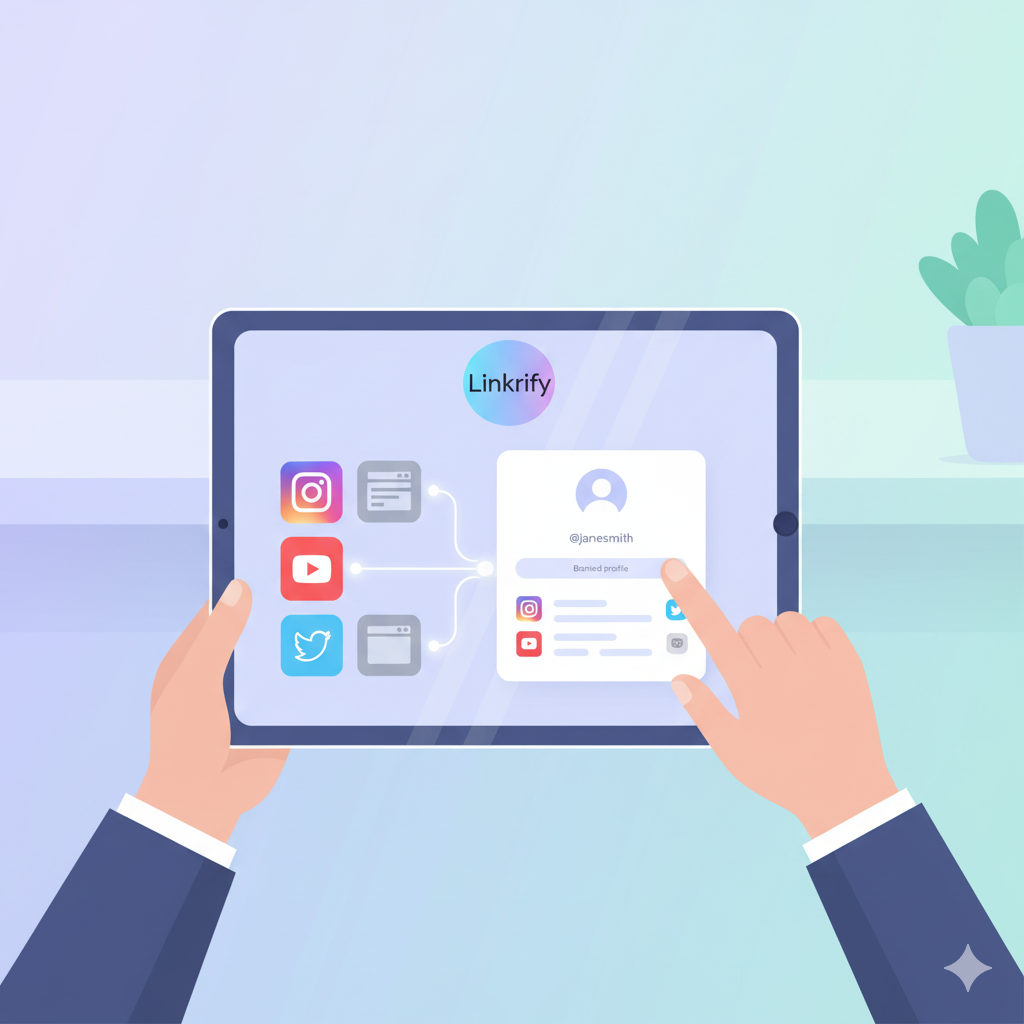
Creators like influencers, musicians, or video makers can use linkrify to make a main landing spot or “link center” – one branded URL that points to all your socials and promos. Instead of cramming multiple links into an Instagram bio, you drop one linkrify that goes to a hub. Track each click. You can push your newest video, stream site, merch all from that linkrify spot. It tidies your link plan and keeps the data flowing.
Campaign Tracking & A/B Testing
For promo pushes, linkrify lets you make unique links per spot or version. Like running the same deal on two socials, create linkrify ones like “yourbrand.linkrify/offer-A” and “yourbrand.linkrify/offer-B”, then see which pulls more clicks or sales. Over time, this refines where you share and what you say, based on linkrify info.
Affiliate Program Management
If you’re running an affiliate or referral setup, linkrify handles making partner links, tracking clicks, and payouts. Each partner gets their own linkrify URL; you see clicks and sales per person; pay out based on that. Since linkrify does tagging and sorting, watching affiliate results is easy.
Link Health, Maintenance & Governance
Linkrify as an approach also means keeping your link stock in check: watch for broken ones, dead redirects, old deals. Since linkrify pulls links together, you can tweak the end URL without messing with the published short – cutting mess and fewer breaks in old stuff. Over time, this fights link rot and keeps content strong.
These examples show linkrify isn’t just a gadget; it’s a way to back content, sales, branding, and data.
Common Pitfalls and How to Avoid Them When Using Linkrify
While jumping into linkrify has lots of upsides, there are typical slip-ups and risks – knowing them lets you steer clear.
Over-monetization or poor user experience
If you turn every link into a redirect or pushy affiliate thing, you might lose people’s trust. If your linkrify redirect goes to surprise pages, tons of ads, or pop-ups, it’ll hurt how folks engage and maybe search ranks. Keep it real: tell your crowd what the link goes to, and make sure the jump feels smooth.
Tracking overload without action
Linkrify throws a ton of data at you – clicks, locations, devices, spots – but if you don’t do something with it, it’s just numbers piling up. A common mistake is building a big linkrify collection and never tweaking based on what works. Use the info to cut weak links, shift to better deals, or sharpen your content plan.
Broken or orphaned links
As time passes, some links go stale, pushes end, pages vanish. If you don’t use linkrify to keep an eye and fix, you’ll build up breaks. This messes with how people feel and could hit SEO if you leave old redirects hanging in published stuff. Set up regular checks.
SEO risks and redirect misuse
If your linkrify uses wrong redirect types or skips “nofollow” or “sponsored” tags where needed, you could accidentally ding your site’s search standing. Engines might see heavy affiliate links as sneaky if not done right. Make sure your linkrify is search-friendly: right 301 or 302, tags on, no sneaky chains.
Dependency on one tool/lack of portability
If you lean too hard on one linkrify service and it folds, changes rules, or jacks prices, you might lose your links or data history. To dodge, check if linkrify data can be pulled out, keep your own backups, and think about extras or self-run options if it’s key.
Spotting these issues keeps your linkrify plan solid, friendly, and lasting.
How to Evaluate the ROI of Linkrify for Your Business
Since linkrify takes effort (time, maybe fees), you’ll want to see if it’s worth it. Here are ways to gauge the payoff from a linkrify approach.
Track conversion rate and value per link
Get a starting point: how many clicks did average links get pre-linkrify? What turn rate? Post-linkrify, compare fresh links for click and turn rates. If linkrify ones boost clicks or turns, that’s a win.
Monitor cost per acquisition (CPA)
If linkrify drives affiliate or turns, grab cost info. Say you spend on making content or ads; count customers from linkrify links and figure CPA. Lower CPA means solid payoff.
Measure time saved and efficiency gains
Some linkrify payoff isn’t cash but smoother work: fewer breaks, faster making links, one-spot data. Guess how many hours you save per push with linkrify over hand-done.
Brand impact and user perception
Using branded shorts via linkrify (like yourbrand.linkrify/…) might build trust and recall. Ask for feedback or watch bounce: trustworthy links cut hesitation.
Content longevity and link health
Content lives long; inside links fade. Linkrify lets you tweak targets, keep data history, sustain old stuff. Analytics show which old content still pulls traffic and needs freshening.
Mixing these lets you judge if linkrify pays – and where to tweak.
Implementation Guide: Setting Up Linkrify in Your Workflow
Here’s a straightforward path to weave linkrify into your content or marketing routine.
Step 1: Define your link strategy
Begin by figuring: What links do I deal with? Affiliates, social pushes, inside ones, campaign? Goals (clicks, sales, signs, downloads)? How to label or group in linkrify?
Step 2: Choose a linkrify platform or setup
Check tools for shortening, tracking, branded domains, data, hooks. Think cost, growth, ease, data pull.
Step 3: Set up branding and domain
If you can, use custom domain (links.yourbrand.com) for clean branded. Set domain, secure, redirect rules.
Step 4: Integrate linkrify into your content pipeline
Make sure publishing blogs, emails, or socials includes auto or standard linkrify making. Maybe hook to content system or auto tools.
Step 5: Track and analyse performance
Use linkrify panel for clicks, sources, turns, locations. Set weekly/monthly looks to spot winners and losers.
Step 6: Maintain and optimise
Cut or shift breaks, tweak targets for lasting content without changing shorts, label for pushes, test variants via linkrify.
Step 7: Governance and documentation
Give team access, set naming rules (campaign_date_medium_offer), doc procedures, archive old, pull data regular.
This guide turns linkrify from add-on to key in your stack.
Linkrify in Different Use-Cases: Who Benefits How
Different folks get value from linkrify varied ways. Let’s look at profiles and how it fits.
Content Creators and Bloggers
Bloggers use linkrify for earning and data. Write review or guide, make linkrify for mentioned product or tool. Track which posts drive clicks and sales, tweak future, keep branded so crowd knows.
Influencers and Social Media Profiles
Influencers have limited link spots (Instagram bio, TikTok). Linkrify hub works: one URL to “Link Tree” of deals, content, socials, affiliates. Track hub clicks, adjust, prioritize.
Marketing Teams and Agencies
Agencies with multiple pushes and clients need link control, steady tracking, branded shorts. Linkrify for naming, team panels, health watch, client reports. Shows clear wins and payoff.
E-commerce and Affiliate Specialists
E-com and affiliate folks manage loads of deals, track partner turns, geo performance, medium segments. Linkrify aids reuse: old content stays active, targets tweak without changes.
Developers and Tech Startups
Startups building software or web may weave linkrify for welcome links, referrals, partners. Use APIs to make links auto, add IDs, gather data, reward hooks.
In every case, linkrify boosts performance and strategy.
Future Trends in Linkrify and Link Management
As link world changes, linkrify and tools will hit key shifts.
Smarter Automation and AI-Assisted Link Routing
Linkrify will add AI to route traffic smart. Mobile click might go to tuned page or auto-tag. Smart linkrify suggests best lander, tag, or variant by context.
Deep Integration with Content Platforms
Linkrify will blend more with content systems, newsletters, social planners, data tools, customer management. Line between link make and publish fades, seamless in edit flow.
Privacy, Consent and Analytics Compliance
With privacy rules (cookies, IDs, cross-track), linkrify adapts for regs, handle consent, deliver data while respecting privacy.
Branded Short Links as a Marketing Channel
Short branded become norm. Seeing “yourbrand.co/…” means official, safe. Linkrify offers vanity, previews, countdowns, expiry, dynamic target by location or device.
Link Longevity and Evergreen-Content Strategy
As search values lasting content, linkrify aids health over time. Update behind short, data shows traffic-pulling old stuff for refresh.
Multi-Channel Attribution & Omnichannel Insight
Linkrify grows beyond clicks, hooks turns across devices/spots. Link in chat, social, email, radio with meta. Panels link use to sales/signs, attribute offline/online.
These show starting linkrify now preps for link-smart future.
Frequently Asked Questions About Linkrify
Final Thoughts: Making Linkrify Work for You
Wrapping up, linkrify is beyond a buzzword – it’s a smart way to handle sharing, tracking, earning from links. Whether one link in social bio or thousands in pushes, linkrify basics give more control, better info, stronger results.
Three key bits if I had to pick:
- See each link as strategic, not just URL.
- Use tool or routine to linkrify: shorten, brand, track, update.
- Check data – clicks, turns, channel work – tweak strategy.
Bringing linkrify to your content world sets up smarter sharing, stronger brand, higher earning. If interested, I can do a comparative review of top linkrify tools (features, pricing, pros/cons) to pick best for you. Want that?